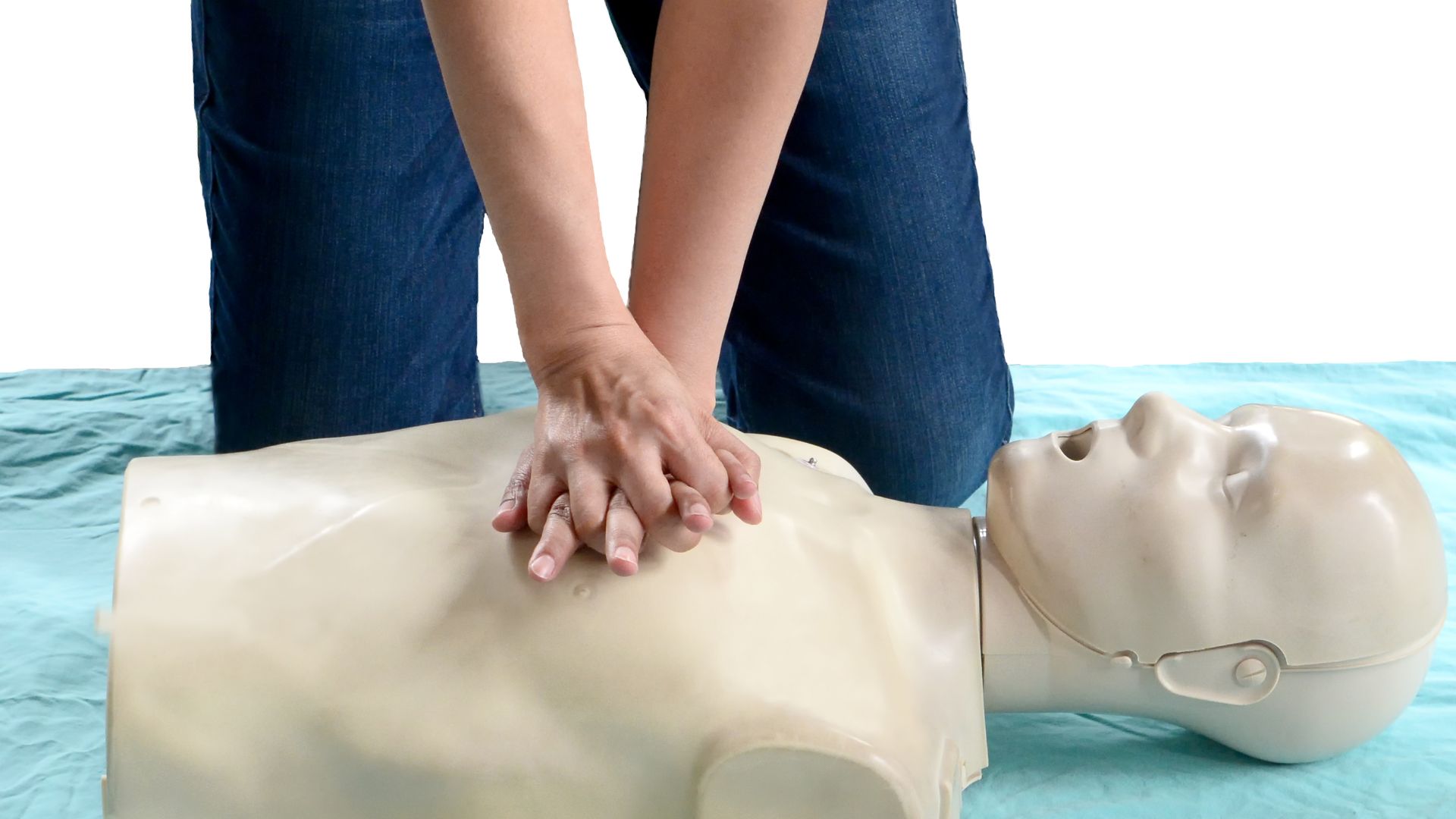
Churches serve as much more than places of worship. Throughout Knoxville, churches function as community centers, gathering places, childcare providers, event venues, outreach organizations, and support networks for individuals and families. Every week, church staff members and volunteers interact with hundreds of people through worship services, youth programs, children’s ministries, senior activities, community events, and outreach programs.
Because churches regularly welcome people of all ages and backgrounds, they also face many of the same safety considerations found in schools, community centers, and public facilities. While most church activities occur without incident, medical emergencies can happen unexpectedly. Whether during a Sunday service, Bible study, youth event, fellowship gathering, or community outreach program, church leaders and volunteers may find themselves in situations where someone requires immediate assistance.
Emergency preparedness is an important part of creating a safe environment for congregation members, visitors, staff, and volunteers. Many churches have begun placing greater emphasis on safety planning, emergency procedures, and volunteer training to help ensure they are prepared for unexpected situations. For many church leaders, completing a CPR Certification course is one of the most valuable steps toward strengthening emergency preparedness and increasing confidence when responding to medical emergencies.
Why Churches Should Prioritize Emergency Preparedness
Churches often serve large numbers of people throughout the week.
Depending on the size of the congregation, church facilities may host:
- Worship services
- Children’s ministries
- Youth groups
- Senior programs
- Vacation Bible School events
- Community outreach programs
- Weddings
- Funerals
- Concerts
- Fellowship gatherings
Because churches regularly bring together large groups of people, emergency preparedness becomes an important part of maintaining a safe environment.
Having trained staff and volunteers can help churches respond more effectively when emergencies occur.
Medical Emergencies Can Happen During Church Activities
Many people assume church environments are relatively low risk, but medical emergencies can occur anywhere people gather.
Examples may include:
- Cardiac emergencies
- Choking incidents
- Allergic reactions
- Seizures
- Breathing difficulties
- Falls and injuries
- Heat-related illnesses
- Diabetic emergencies
Churches often serve individuals across multiple generations, from infants and young children to older adults. Because of this broad range of attendees, church staff and volunteers may encounter a variety of health-related situations.
Preparation helps individuals feel more confident when responding to unexpected emergencies.
Knoxville Churches Serve Diverse Congregations
Knoxville’s churches play an important role in supporting the local community.
Many congregations welcome:
- Families with young children
- Teenagers
- College students
- Working professionals
- Older adults
- Individuals with disabilities
- Visitors from outside the area
Because churches often bring together people from different age groups and health backgrounds, leaders must be prepared to address a variety of situations that could arise during church activities.
Safety planning helps support both regular attendees and first-time visitors.
Why the First Few Minutes Matter
During many medical emergencies, the first few minutes can be critical.
Emergency medical services provide essential care, but responders must first receive notification and travel to the church location. During that time, church staff members and volunteers are often the first people available to assist.
Immediate responsibilities may include:
- Recognizing the emergency
- Contacting emergency services
- Providing location information
- Assisting the affected individual
- Managing bystanders
- Directing emergency responders
Prepared volunteers often feel more confident carrying out these responsibilities while remaining calm under pressure.
Children’s Ministries Require Additional Preparedness
Many Knoxville churches operate active children’s ministries throughout the week.
These programs may include:
- Nursery services
- Preschool classes
- Sunday school programs
- Vacation Bible School
- Children’s events
- After-school activities
Young children require close supervision and specialized emergency planning.
Potential concerns may include:
- Choking incidents
- Allergic reactions
- Asthma attacks
- Falls and injuries
- Sudden illnesses
Because children depend entirely on adults during emergencies, staff members and volunteers working in children’s ministries benefit from understanding emergency response procedures.
Preparedness helps create safer environments for young participants.
Youth Programs Bring Unique Safety Considerations
Church youth groups often participate in activities both on and off church property.
Examples include:
- Retreats
- Mission trips
- Sporting activities
- Community service projects
- Camps
- Recreational events
These activities may involve transportation, physical activity, and large groups of participants.
Emergency preparedness helps leaders respond effectively when unexpected situations arise during youth events.
Parents often appreciate knowing that volunteers have received safety and emergency preparedness training.
Senior Adult Ministries and Medical Emergencies
Many churches have strong senior adult populations.
Older adults often participate in:
- Worship services
- Bible studies
- Fellowship events
- Community outreach programs
- Volunteer opportunities
While these programs provide valuable opportunities for connection and engagement, they may also increase the likelihood of encountering medical emergencies that require prompt attention.
Prepared church staff and volunteers help create a safer environment for older congregation members.
Community Events Increase the Need for Safety Planning
Churches frequently host events that attract large numbers of attendees.
These may include:
- Holiday celebrations
- Food drives
- Community festivals
- Concerts
- Conferences
- Outreach programs
As attendance grows, so does the importance of having emergency plans and trained personnel available.
Prepared volunteers help support event safety by understanding procedures and knowing how to respond if someone needs assistance.
Planning ahead reduces confusion when emergencies occur.
Why CPR Training Benefits Church Volunteers
Many church volunteers have no professional responsibility to receive emergency response training. However, many choose to pursue CPR training because they want to serve their congregations more effectively.
Benefits often include:
- Increased confidence
- Better emergency awareness
- Improved preparedness
- Greater understanding of response priorities
- Enhanced communication skills
Volunteers frequently report feeling more comfortable assisting during emergencies after receiving training.
Prepared individuals can help support church safety initiatives and emergency response efforts.
Building a Church Emergency Response Plan
Many churches have developed formal emergency preparedness plans that address a variety of situations.
A comprehensive plan may include:
- Medical emergency procedures
- Emergency contact information
- Evacuation plans
- Severe weather procedures
- Child accountability procedures
- Communication protocols
Having a written plan helps ensure consistency and coordination among staff members and volunteers.
Regular reviews and updates help keep procedures current.
Communication Is Essential During Emergencies
One of the most important aspects of emergency response is communication.
When a medical emergency occurs, church personnel should be prepared to:
- Contact emergency services
- Provide accurate location information
- Communicate with church leadership
- Direct responders to the scene
- Assist family members when appropriate
Clear communication helps improve coordination and reduces confusion during stressful situations.
Prepared volunteers often feel more comfortable handling these responsibilities.
Why Churches Benefit From Team-Based Preparedness
Emergency preparedness works best when it involves the entire organization.
Churches often rely on:
- Pastors
- Ministry leaders
- Administrative staff
- Children’s ministry workers
- Youth leaders
- Greeters
- Security teams
- Volunteers
When everyone understands their role during an emergency, response efforts tend to be more organized and effective.
Team-based preparedness creates a stronger culture of safety throughout the church.
Emergency Preparedness Supports Community Trust
Families often choose churches that demonstrate a commitment to safety and responsible planning.
Parents, visitors, and congregation members appreciate knowing that leaders have taken steps to prepare for emergencies.
Strong preparedness efforts help build:
- Trust
- Confidence
- Organizational credibility
- Volunteer confidence
- Community support
Safety initiatives show that churches value the well-being of everyone who enters their facilities.
CPR Training Benefits Volunteers Beyond Church
Many church volunteers discover that emergency preparedness skills are valuable in many areas of life.
The knowledge gained through training may prove useful during:
- Family activities
- Community events
- Sporting events
- Travel
- Volunteer opportunities
- Everyday situations
Because emergencies can happen anywhere, preparedness remains a valuable life skill.
Many individuals appreciate having knowledge that can benefit both their church community and their personal lives.
Why CPR Training Matters for Knoxville Churches
Churches serve as gathering places where people come together for worship, fellowship, education, and community support. With individuals of all ages participating in church activities throughout the week, emergency preparedness plays an important role in maintaining a safe environment. Whether assisting during a worship service, helping with a children’s program, supporting a community event, or responding to an unexpected medical emergency, prepared staff members and volunteers can make a meaningful difference. Completing a CPR Certification class helps Knoxville church staff and volunteers strengthen their preparedness, build confidence, and contribute to a safer church environment for everyone who walks through the doors.
Frequently Asked Questions About CPR Training for Church Staff and Volunteers in Knoxville
Why should church volunteers learn CPR?
Church volunteers often work closely with congregation members and may be among the first people available to assist during a medical emergency.
What types of emergencies can occur at churches?
Churches may encounter cardiac emergencies, choking incidents, allergic reactions, falls, breathing difficulties, seizures, and other medical situations.
Are children’s ministry volunteers good candidates for CPR training?
Yes. Volunteers who work with infants and children often benefit from understanding emergency response procedures and preparedness strategies.
Why is emergency preparedness important for churches?
Churches frequently host large gatherings and serve people of all ages, making safety planning an important part of protecting congregation members and visitors.
Should churches have emergency response plans?
Yes. Written emergency plans help staff and volunteers understand procedures and improve coordination during emergencies.
Can CPR training help outside of church activities?
Absolutely. Emergency preparedness skills can be valuable during family activities, community events, volunteer work, travel, and everyday life.