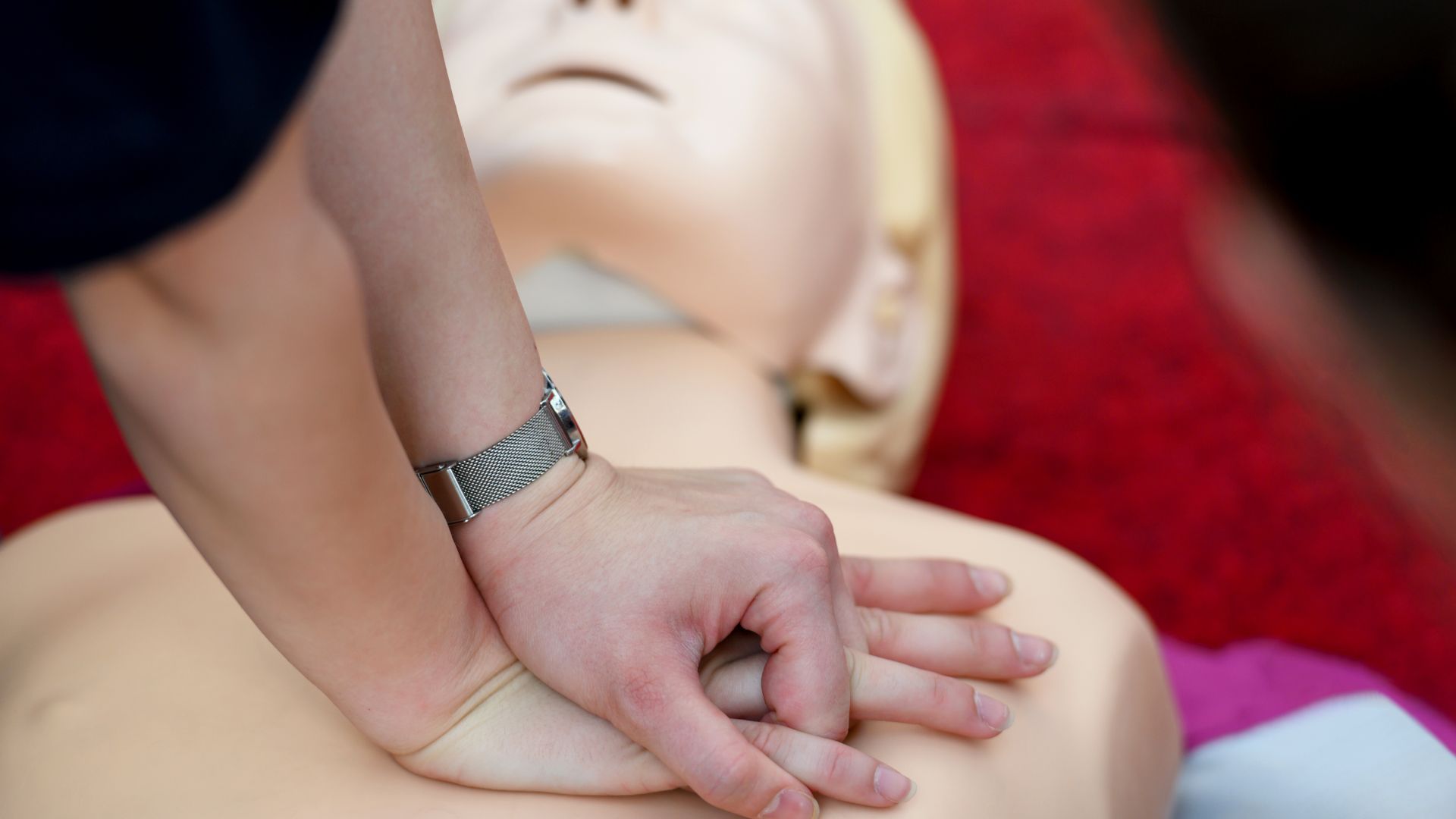
Cardiac emergencies can happen anywhere and at any time. Whether at home, work, church, a sporting event, or a public gathering, witnessing someone suddenly collapse can be overwhelming. Most people understand the importance of calling 911 and beginning CPR as quickly as possible, but many are unsure about what happens next. Once CPR has started, what should you do while waiting for emergency medical services to arrive?
Those minutes between beginning CPR and the arrival of EMS are often some of the most important moments during a medical emergency. They can also feel incredibly stressful. Adrenaline is high, emotions are running strong, and bystanders may not know if they are doing enough. Understanding what actions to take after CPR begins can help you remain focused, organized, and prepared until professional responders arrive.
Throughout Knoxville, medical emergencies can occur in homes, schools, parks, churches, businesses, and community spaces. Because bystanders are often the first people available to help, completing a CPR Certification course can provide valuable knowledge and confidence when responding to these critical situations.
Why Immediate CPR Is So Important
When someone experiences sudden cardiac arrest, the heart stops effectively pumping blood throughout the body. Without circulation, oxygen can no longer reach the brain and other vital organs.
Every minute that passes without intervention can reduce the likelihood of survival. This is why immediate action is so important.
When a person is unresponsive and not breathing normally, taking action quickly helps:
- Maintain blood circulation
- Deliver oxygen to vital organs
- Support brain function
- Buy valuable time until advanced medical care arrives
- Improve the chances of a successful outcome
CPR serves as a bridge between the onset of the emergency and the arrival of professional medical responders.
Call 911 Immediately
Before focusing on what to do while waiting for EMS, it is important to remember that emergency services should be activated as quickly as possible.
If other people are nearby:
- Have someone call 911 immediately.
- Ask another person to locate an AED if one is available.
- Begin CPR without delay.
If you are alone:
- Call 911 and place the phone on speaker mode.
- Follow dispatcher instructions.
- Start CPR as soon as possible.
Emergency dispatchers are trained to help guide callers through emergencies and can provide instructions while responders are on the way.
Continue CPR Without Stopping
One of the most important things you can do while waiting for EMS is continue CPR.
People often become concerned about whether they are performing CPR perfectly. The reality is that continuing chest compressions is usually far more beneficial than stopping because you are unsure of your technique.
Focus on:
- Consistent compressions
- Proper hand placement
- Minimal interruptions
- Following any dispatcher instructions
The goal is to maintain circulation until advanced care becomes available.
Even if you feel tired, continuing CPR remains one of the most important actions you can take.
Use an AED If One Is Available
An Automated External Defibrillator (AED) is a critical tool during many cardiac emergencies.
If someone can retrieve an AED:
- Turn it on immediately.
- Follow the voice prompts.
- Apply the pads as instructed.
- Allow the AED to analyze the heart rhythm.
- Resume CPR whenever instructed.
Modern AEDs are designed to provide step-by-step instructions, making them accessible even for individuals with limited emergency response experience.
If an AED becomes available while CPR is already underway, it should be incorporated into the response as quickly as possible.
Stay Calm and Focused
Emergencies naturally create stress and anxiety.
Many bystanders begin to panic when they realize the seriousness of the situation. Remaining calm can help you think clearly and continue providing effective assistance.
Try to focus on:
- The person receiving CPR
- Instructions from dispatchers
- Maintaining consistent compressions
- Organizing bystanders when necessary
A calm rescuer often helps create a calmer environment for everyone involved.
This can improve communication and make the overall response more effective.
Assign Tasks to Bystanders
If multiple people are present, don’t try to do everything yourself.
Delegating responsibilities can help ensure important tasks are completed while CPR continues uninterrupted.
Helpful assignments may include:
- Calling 911
- Retrieving an AED
- Directing EMS to the scene
- Managing crowds
- Locating emergency contact information
- Unlocking doors or gates for responders
Giving people specific tasks helps keep them focused and reduces confusion.
It also allows the individual performing CPR to concentrate on the person in need.
Switch Rescuers When Necessary
Performing chest compressions can be physically demanding.
Even strong individuals can become fatigued after several minutes of continuous CPR.
If another trained person is available:
- Coordinate a quick switch.
- Minimize interruptions.
- Resume compressions immediately.
Changing rescuers periodically may help maintain the quality of compressions while reducing fatigue.
The key is to avoid long pauses during transitions.
Follow Dispatcher Instructions
Emergency dispatchers play an important role during cardiac emergencies.
They can help:
- Confirm that CPR is needed
- Provide CPR instructions
- Guide AED use
- Update responders with new information
- Offer additional emergency guidance
Even if you have previous training, continue listening carefully to dispatcher instructions.
They are trained to assist callers through high-stress situations and can help keep the response organized.
Watch for Signs of Life
While performing CPR, remain observant.
Occasionally, a person may begin showing signs of responsiveness before EMS arrives.
Potential signs may include:
- Purposeful movement
- Coughing
- Eye opening
- Normal breathing
- Verbal responses
If you notice changes, follow dispatcher instructions regarding the next steps.
Continue monitoring the individual until professional responders arrive.
Make It Easier for EMS to Find You
One often-overlooked aspect of emergency response is helping EMS reach the scene quickly.
In Knoxville, emergencies can occur in:
- Parks
- Churches
- Schools
- Apartment complexes
- Sporting venues
- Community centers
- Large office buildings
If bystanders are available, ask someone to:
- Wait near the entrance
- Direct responders to the location
- Open doors
- Clear access routes
Even small delays can make it harder for responders to reach the patient quickly.
Preparation and coordination can help reduce these delays.
Control the Scene
Large groups of people often gather when an emergency occurs.
Crowds can create distractions and interfere with emergency response efforts.
If possible:
- Ask unnecessary bystanders to step back.
- Create space around the patient.
- Maintain access for EMS personnel.
- Keep pathways clear.
A controlled environment allows rescuers to work more effectively and helps responders take over more efficiently when they arrive.
Gather Important Information
If other people are available to help, gathering information can be beneficial.
Potential information may include:
- Known medical conditions
- Current medications
- Allergies
- Recent symptoms
- Emergency contacts
This information may be useful for EMS personnel when they arrive.
However, gathering information should never delay CPR or interfere with emergency response priorities.
Understand That EMS May Need Several Minutes
Many people expect emergency responders to arrive almost immediately.
While Knoxville’s emergency services work hard to respond quickly, factors such as traffic, distance, building access, and location complexity can affect response times.
This is one reason bystander CPR is so important.
The actions taken before EMS arrives often help bridge the gap between the emergency and advanced medical care.
Every minute matters during cardiac emergencies.
Confidence Helps During Emergencies
One reason people hesitate to help is uncertainty.
Many individuals worry about:
- Making mistakes
- Performing CPR incorrectly
- Causing harm
- Forgetting what they learned
Training helps reduce these concerns.
Benefits of emergency preparedness training include:
- Increased confidence
- Improved decision-making
- Better situational awareness
- Greater willingness to act
- Reduced panic during emergencies
People who have practiced CPR are often more comfortable taking action when someone needs help.
Why Knoxville Residents Should Be Prepared
Knoxville is home to a vibrant community with schools, churches, businesses, parks, sporting venues, and countless public gathering places.
Cardiac emergencies can occur in any of these locations.
Prepared residents contribute to a stronger and safer community by understanding how to respond when emergencies occur.
Whether you are at a youth sporting event, church service, workplace meeting, family gathering, or neighborhood event, having CPR knowledge can help you respond more confidently.
The more people who understand CPR, the greater the likelihood that someone will be ready to help when an emergency happens.
Staying Prepared Until EMS Arrives
Starting CPR is one of the most important actions a bystander can take during a cardiac emergency, but it is only the beginning of the response process. Continuing CPR, using an AED when available, communicating with emergency dispatchers, assigning tasks to bystanders, and helping EMS access the scene all contribute to a more effective emergency response. While those minutes waiting for professional responders can feel overwhelming, preparation helps reduce uncertainty and improve confidence. Taking a CPR Certification course can help Knoxville residents develop the skills and knowledge needed to respond calmly and effectively during a cardiac emergency when every second counts.
Frequently Asked Questions About What to Do While Waiting for EMS After Starting CPR
Should I stop CPR when EMS is on the way?
No. Continue CPR until EMS personnel arrive and take over, an AED instructs you otherwise, or the person begins showing signs of life.
What should I do if an AED becomes available?
Turn the AED on immediately and follow the voice prompts while minimizing interruptions to CPR.
Can a 911 dispatcher help me perform CPR?
Yes. Emergency dispatchers can provide instructions and guidance until EMS arrives.
What if I become tired while performing CPR?
If another trained or capable person is available, switch rescuers quickly while minimizing interruptions.
Should I move the person while performing CPR?
Generally, CPR should be performed where the person collapsed unless there is an immediate danger to the rescuer or victim.
Why is continuing CPR important while waiting for EMS?
CPR helps maintain blood flow to the brain and vital organs until advanced medical care becomes available.